
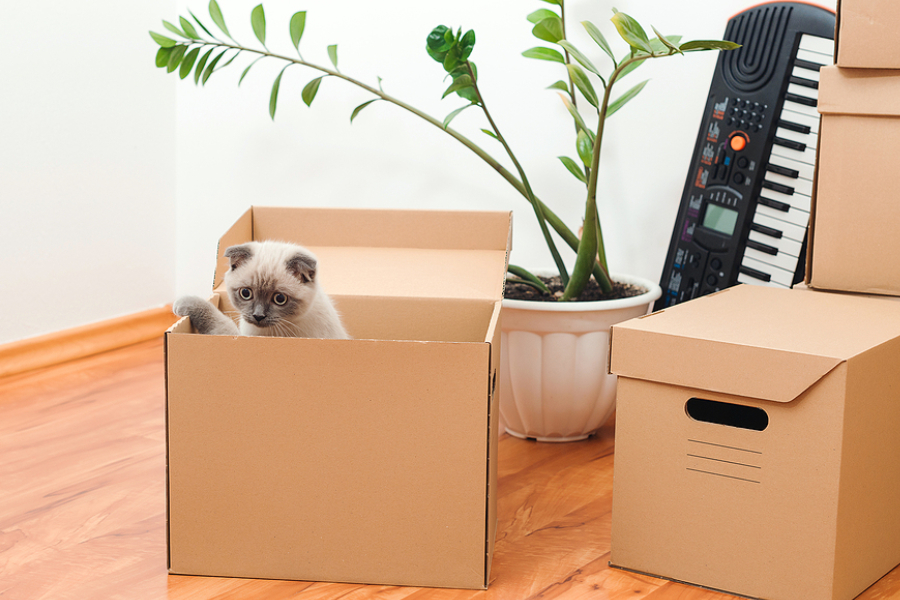
Moving to a new home is an exciting chapter, but for pet owners, the process can bring a unique set of challenges. Pets thrive on routine and familiar surroundings, so relocating can cause them stress and anxiety. Whether you have a playful dog, a curious cat, or even more exotic companions, understanding how to manage their needs during a move is essential for a smooth house moving experience.
This guide covers everything you should know about relocating with pets, ensuring their comfort and safety throughout the transition.
Prepare your pet well in advance
Relocating with pets requires careful preparation long before the moving day arrives. Start by gradually introducing your pet to moving-related changes. For example, if your pet isn’t used to being in a carrier or crate, begin short sessions to help them get comfortable. Using familiar blankets or toys inside carriers can create a reassuring environment.
If you are using a house relocation service, inform them early that you have pets so they can accommodate your needs, such as ensuring pet-safe packing materials or special handling during transport.
Additionally, keep your pet’s routine as consistent as possible. Maintain feeding schedules, exercise times, and play sessions to reduce stress. Consult your vet to discuss any health concerns related to moving, and consider whether mild calming aids are appropriate for your pet during travel.
Choose the right transport method for your pet
The way you transport your pet can greatly influence their experience during relocation. For short moves within the same city, a comfortable crate in your car with good ventilation and security might be sufficient. However, for longer journeys, especially interstate or overseas, specialised arrangements might be necessary.
When moving with a commercial moving service that handles both your belongings and your pet’s transport, ensure they are experienced in animal handling. Some professional moving companies offer pet relocation as part of their service, managing logistics like travel documents, health certificates, and customs clearance if needed.
Avoid sedating your pet unless advised by a vet, as this can sometimes cause more harm than good. Instead, focus on creating a calm environment during the journey with familiar items and gentle reassurance.
Keep your pet’s identification updated
Before the move, double-check that your pet’s identification is up to date. This includes microchips, ID tags, and registration details. A new address and contact number should be updated with the microchip registry and on any collars or tags your pet wears.
Relocation can increase the risk of pets getting lost, especially when exploring new surroundings. Make sure your pet wears a collar with a secure ID tag at all times during the move.
Prepare the new home for your pet’s arrival
Once you arrive at your new residence, it’s vital to help your pet acclimate smoothly. Before bringing them inside, create a designated pet-friendly area with familiar bedding, toys, and food bowls. This safe space will help them feel secure as they explore the unfamiliar environment.
Keep your pet indoors initially, especially cats, as sudden access to a new outdoor environment can be dangerous. Gradually allow supervised exploration to help them become familiar with the new territory.
If your new home has a garden or outdoor space, inspect it for any hazards such as toxic plants or gaps in fencing. Introducing your pet to a new outdoor area safely is critical to avoid escape or injury.
Manage your pet’s stress during and after the move
Relocation can be a stressful event for pets, often resulting in behavioural changes such as excessive barking, hiding, or loss of appetite. Pay attention to signs of anxiety and comfort your pet with extra attention and reassurance.
Maintain routines for feeding, walks, and playtime as soon as possible. Providing mental stimulation through toys and interaction can also ease stress.
If behavioural issues persist, seek advice from a veterinarian or a professional animal behaviourist. Early intervention can prevent long-term anxiety problems.
Consider pet-friendly accommodations if your move involves temporary housing
In cases where your move includes a period of temporary housing or extended travel, make sure to arrange pet-friendly accommodations. Many hotels and short-term rentals accept pets but may have specific rules regarding size, breed, or number of animals.
Planning ahead avoids last-minute stress and ensures your pet remains comfortable throughout the entire relocation process.
Conclusion
Relocating with pets doesn’t have to be daunting. With thoughtful preparation, proper transport arrangements, and attention to your pet’s needs, you can make the transition as smooth as possible for both you and your furry friend. Whether you are hiring a house relocation service or combining your move with a commercial moving service, clear communication about your pets will help ensure their safety and well-being.
For expert assistance with your move and personalised support for your pet’s relocation, consider reaching out to Buddy Movers & Storage. Their experienced team is ready to help make your next move stress-free for the entire family — pets included.